Source Class I CE Hemostatic Sponge for Surgery, Trauma, and ENT
Compare 30 class i ce hemostatic sponge options from verified Chinese manufacturers. Buyers can evaluate specifications, certifications, and pricing for surgical, trauma, and ENT applications. These products feature absorbable materials, irradiation sterilization, and customizable sizes to meet diverse medical needs in hospital and personal care settings.
Key considerations
Products List


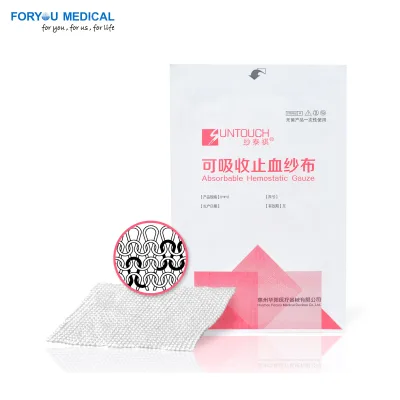
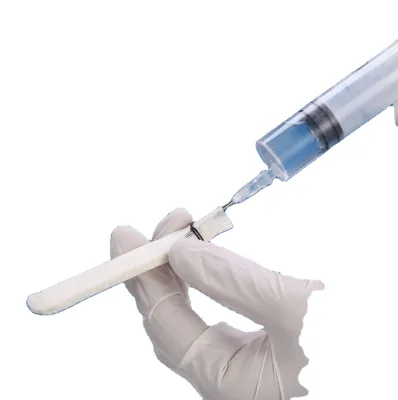
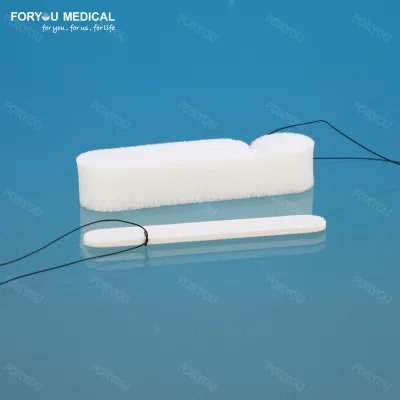


Comprehensive Sourcing Guide
Class I CE Hemostatic Sponge Sourcing Guide
Procurement teams must first distinguish between the observed product attributes and the specific regulatory classification requested. The supplied data indicates a mix of Class II instruments and biologically active dressings, with some listings explicitly labeled as Class II Surgical Supplies Materials. Buyers seeking Class I devices must verify that the specific SKU they select aligns with the lower-risk classification, as the available inventory includes high-risk surgical items like minimally invasive sponges designed for neurosurgery and ENT applications.
The observed product range includes absorbable hemostatic sponges with natural degradation properties and various sterilization methods such as ethylene oxide and irradiation. While the core keyword implies a specific regulatory tier, the actual market listings show significant variation in product type, ranging from nasal dressings to cavity sponges with radiopaque lines. Sourcing strategies must therefore prioritize filtering for the exact regulatory class to ensure the device meets the intended clinical safety profile and usage requirements.
Product Scope and Observed Listing Signals
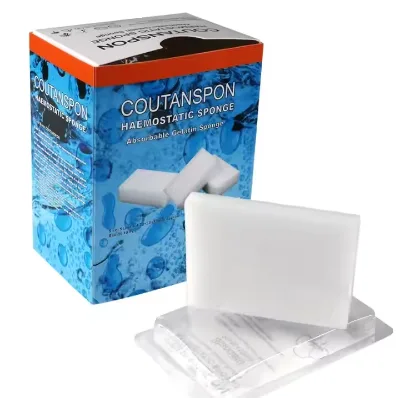
Buyers should analyze the observed product attributes to confirm the material composition and functional design of the sponges. The data confirms the availability of absorbable materials designed for wound care, with specific features like biodegradability and the capacity to absorb up to ten times their body volume. These signals indicate a product scope focused on active hemostasis and fluid management, suitable for applications requiring rapid blood control in surgical environments.
The listing signals also reveal diverse customization options, including specific dimensions like 1021.5cm and the ability to customize packing or logo printing. Some products feature ventilated tube construction and blue radiopaque lines for identification during procedures. Procurement teams must match these specific physical attributes to their clinical needs, ensuring the selected sponge offers the required absorption rate and visibility for the intended surgical application.
Technical Specifications to Verify
Verification of the physical dimensions and model numbers is critical for ensuring compatibility with surgical instruments and procedural protocols. The observed specifications include standard sizes such as 821.5cm and 81.51cm, alongside custom configurations. Buyers must confirm that the selected model, such as TSMBHS01 or TSMHS02, matches the exact size requirements for the specific surgical cavity or wound type to prevent procedural delays or complications.
Sterilization method and packaging integrity are equally vital technical parameters that require strict verification. The data lists both ethylene oxide sterilization and irradiation sterilization as available options, with products typically supplied in carton boxes or sterile-packaged units. Procurement teams must validate that the chosen sterilization method aligns with their facility's infection control policies and that the packaging ensures the product remains sterile until the moment of use.
Compliance and Safety Documentation
Regulatory compliance is a primary concern, as the observed listings display a mix of certifications including CE, ISO, and ISO13485. While some products are explicitly marked as Class II instruments, buyers must rigorously verify the specific regulatory status of the Class I items they intend to purchase. The presence of CE and ISO certificates suggests a baseline of quality management, but the exact classification must be confirmed on the product certificate to avoid regulatory non-compliance.
Safety documentation must also address the sterilization claims and the biodegradability of the materials used. The data indicates that products are designed for natural degradation and are often single-use, sterile-packaged items. Buyers should request detailed test reports confirming the efficacy of the sterilization process and the safety profile of the absorbable materials to ensure they meet the necessary safety standards for patient care.
Cost Drivers and Commercial Terms
Pricing and minimum order quantities are significant variables that influence the total cost of ownership for hemostatic sponges. The observed price range spans from 0.3 to 44 USD, with MOQs varying widely from 5 to 10,000 units. These fluctuations are likely driven by the level of customization, the specific model selected, and the volume of the order, requiring buyers to balance unit cost against their inventory needs.
Commercial terms such as payment methods and quality guarantees also play a crucial role in the procurement decision. The data shows that T/T is a common payment method, and some suppliers offer a two-year quality guarantee period. Buyers should negotiate terms that align with their cash flow and risk management strategies, ensuring that the supplier provides clear support for any potential quality issues within the guaranteed period.
Supplier Qualification and Quality Control
Supplier qualification requires a thorough review of their manufacturing location and quality management systems. The observed data indicates that products originate from China, with specific mentions of Zhejiang as a production hub. Buyers should verify the supplier's adherence to ISO13485 standards and their ability to maintain consistent quality across different production batches, especially given the variation in product models and specifications.
Quality control processes must be validated to ensure that the sponges meet the required performance standards. The data highlights features like radiopaque lines and specific absorption capacities, which must be consistently maintained. Procurement teams should request evidence of internal quality control checks and third-party testing results to confirm that the products consistently meet the advertised specifications and safety requirements.
Long-Term Procurement Checks
Establishing a long-term procurement strategy involves monitoring the stability of the supply chain and the consistency of product quality over time. Buyers should assess the supplier's ability to maintain lead times and inventory levels, particularly for customized orders that may require specific production runs. The observed range of MOQs suggests flexibility, but long-term contracts should include clauses for volume stability and price protection.
Continuous evaluation of regulatory compliance and product updates is essential for maintaining a safe and effective supply chain. As regulations evolve, suppliers must demonstrate their ability to adapt their products and certifications accordingly. Buyers should schedule regular audits and reviews to ensure that the hemostatic sponges continue to meet the latest clinical and regulatory standards, safeguarding patient safety and operational efficiency.
FAQs
What certifications do these hemostatic sponges hold?
These products hold CE and ISO certifications, including ISO13485 for medical devices. Some listings also mention FDA approval. Buyers should verify specific certificate documents for each supplier to ensure compliance with their regional regulatory requirements before placing orders.
Can I request custom sizes for these surgical sponges?
Yes, customization is available for product dimensions and specifications. Standard sizes include 10*2*1.5cm and 8*2*1.5cm, but manufacturers offer tailored options. Buyers must specify exact requirements during the inquiry process to ensure the final product meets their surgical application needs.
How are these biologically active dressings sterilized?
The sponges undergo Ethylene Oxide Sterilization or Irradiation Sterilization to ensure safety. They are packaged as sterile, single-use items. This process guarantees the products are free from pathogens, making them suitable for hospital and personal care applications in various surgical settings.
What is the minimum order quantity for these sponges?
The minimum order quantity ranges from 5 to 10,000 units depending on the supplier and customization level. Buyers should negotiate specific MOQ terms based on their volume needs. Smaller orders may incur higher per-unit costs compared to bulk purchases of standard configurations.
Which materials are used to make these absorbable sponges?
These sponges are made from absorbable materials designed for natural degradation within the body. They function as biologically active dressings for hemostasis. The material ensures safe removal without requiring surgical extraction, supporting efficient wound care and fluid management during procedures.
Where are these surgical supplies manufactured?
Manufacturing locations include China, with specific origins noted in Zhejiang. Buyers should confirm the exact factory location during sourcing. Products from these regions typically meet international standards, but verifying the specific production site helps ensure quality control and supply chain reliability.
What is the quality guarantee period for these items?
The quality guarantee period is typically two years from the date of manufacture. This ensures the product remains effective and sterile within its shelf life. Buyers should check expiration dates on packaging to confirm the remaining validity period before using the sponges in clinical settings.